
Parang La
Bridging Spiti & Ladakh
Himachal Pradesh
-SIGNATURE-
19th-31st July 2026
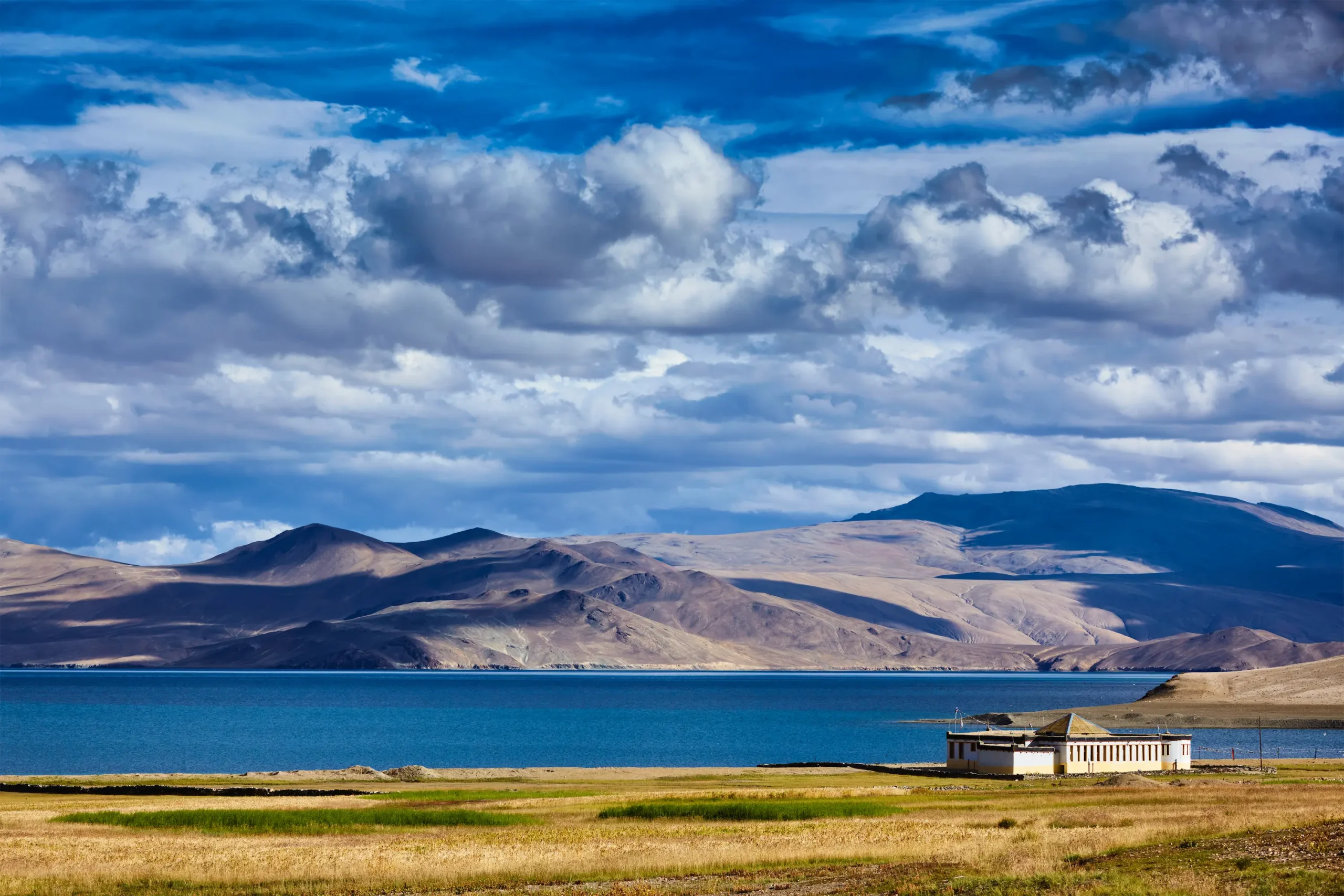
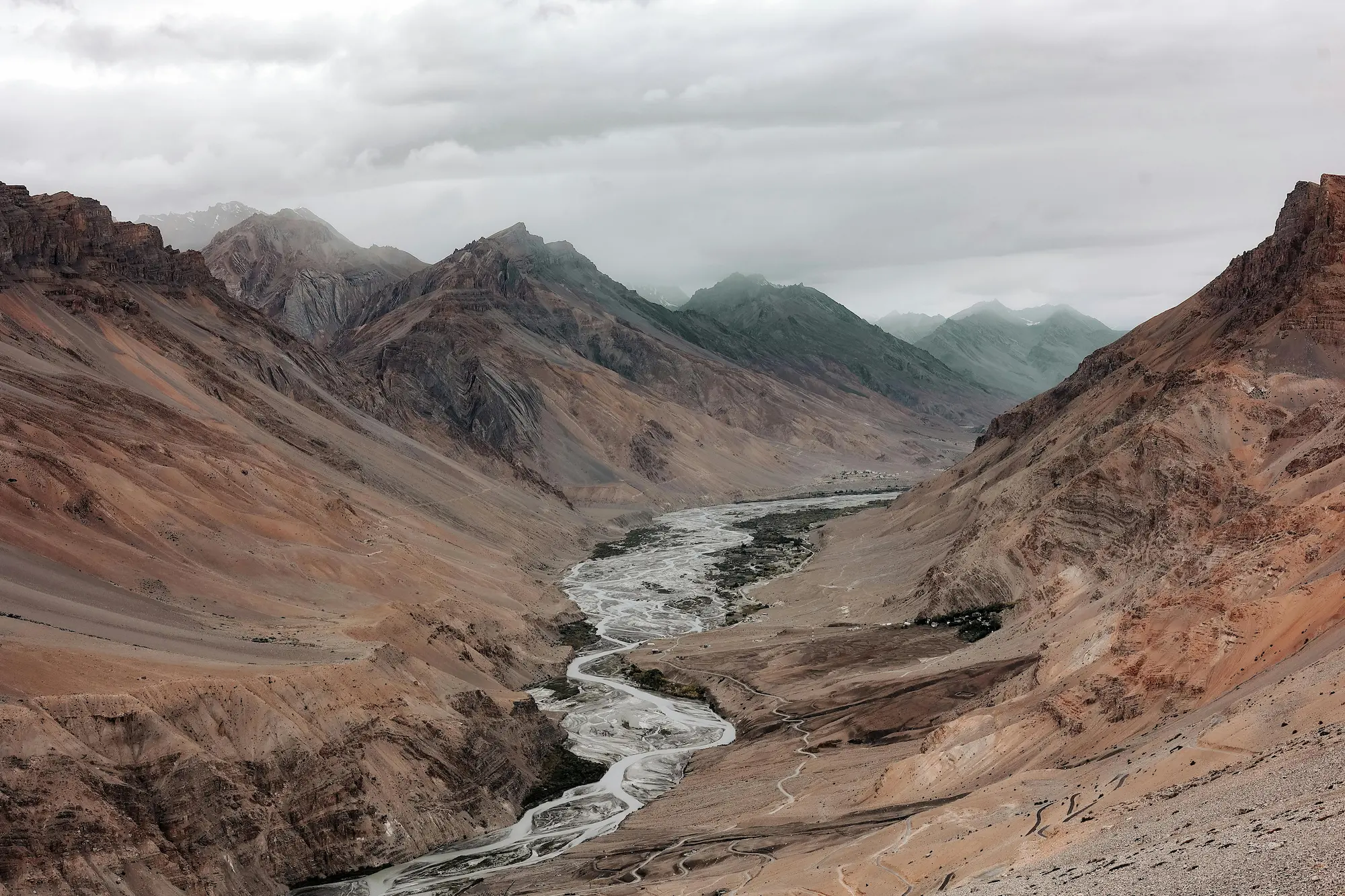
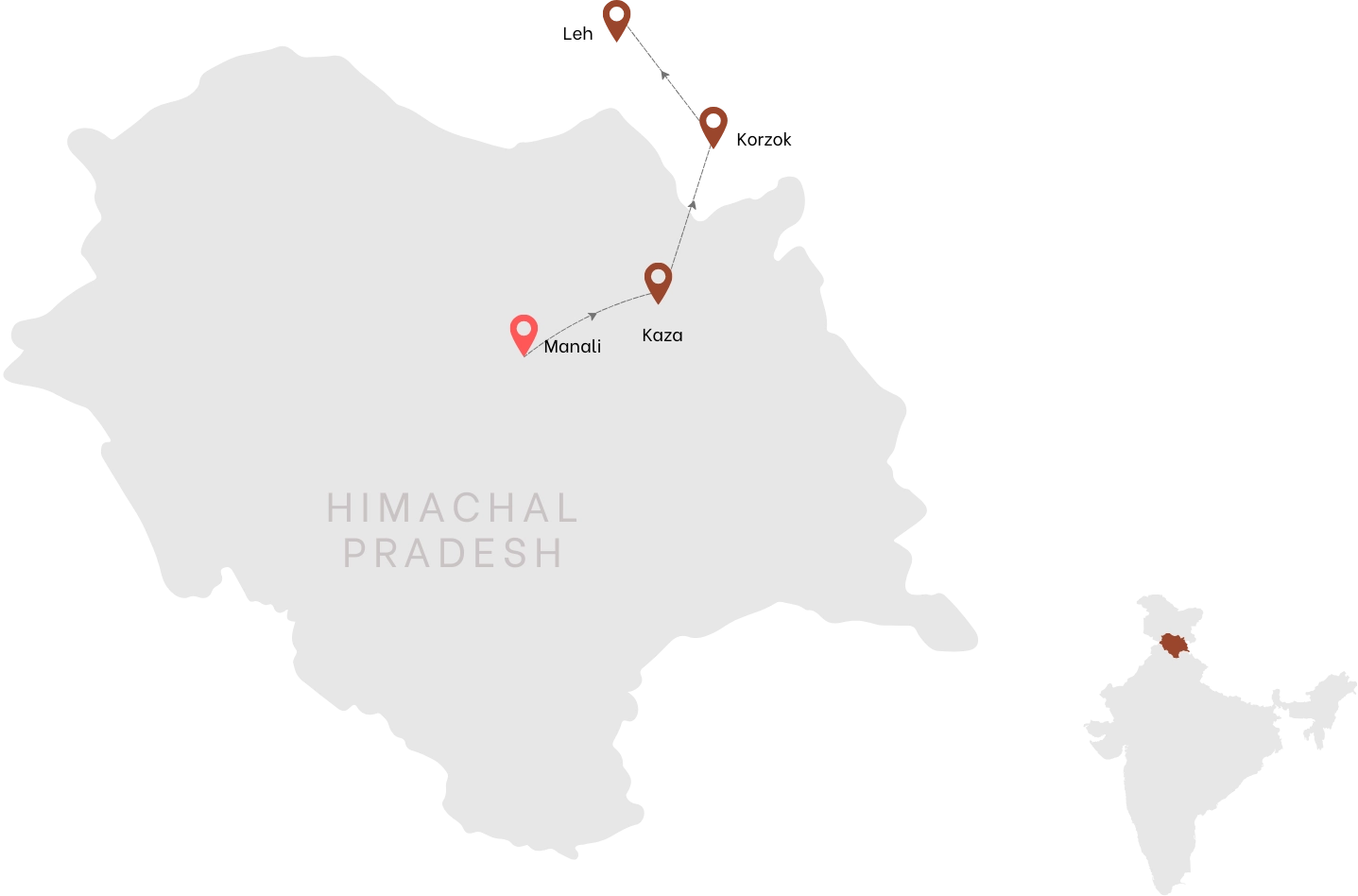
A historical high-altitude trek, the Parang La was a vital trade link between Spiti, Tibet, and Ladakh. Starting from Korzok or Chicham/Kibber, the trail peaks at 5600 metres and traces the Pare Chu river. The route is geologically fascinating, known for its fossils and ancient, wave-like mountain patterns, alongside extensive grazing meadows. The most rewarding part is the two-day segment beside Tso Moriri Lake, where the scenery features vibrant blue waters and imposing, unclimbed mountains. The endpoint is Korzok village, the site of an important monastery.
At A Glance
ITINERARY
Day 01
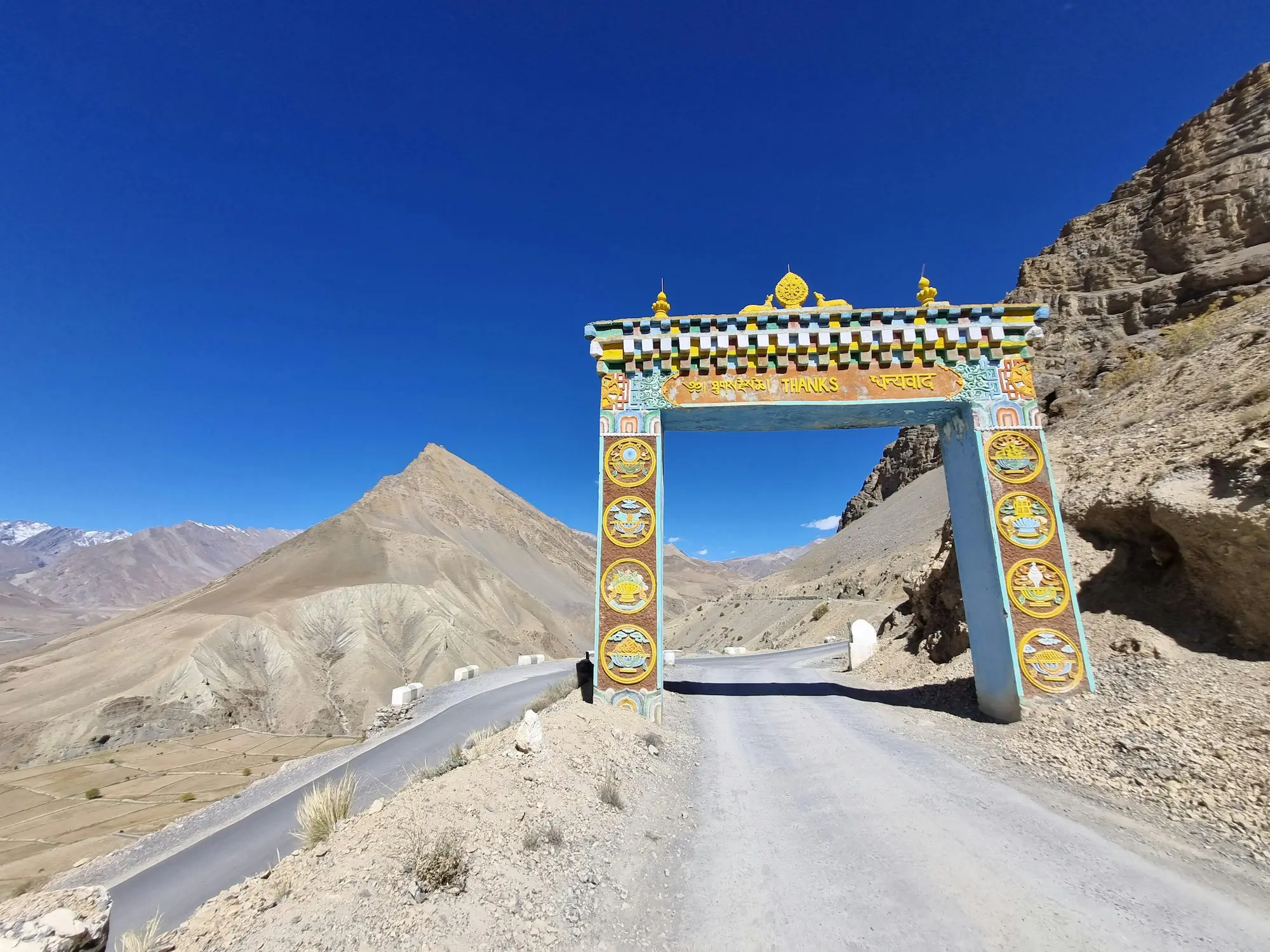
Your journey begins with a legendary drive from the lush valleys of Manali. We pass through the engineering marvel of the Atal tunnel before the landscape transforms into a high-altitude desert. Crossing the Kunzum pass, you’ll get your first glimpse of the Spiti peaks before arriving in Kaza, the cultural heart of the valley.
Day 02
We move deeper into the mountains toward Chicham, a village perched on the edge of a massive canyon. Today is about finding your rhythm; we visit the iconic Key monastery, where centuries-old murals and chanting monks create a meditative atmosphere, perfect for the spiritual and physical preparation ahead.
Day 03
Acclimatization is the secret to a successful Parang La crossing. We spend today in Chicham, engaging in "active rest." You can take short walks to the Chicham Bridge—the highest in Asia—or simply sit and watch the light change over the limestone cliffs, allowing your body to adapt to the thin air.
Day 04
We leave the road-head behind to begin the trek finally, and descend into the deep gorge of the Paralungbi River before climbing back up to the meadows of Thaltak. This campsite offers a dramatic panoramic view of the jagged Spiti mountains and the deep valley floor far below.
Day 05
The High Camp at Borochin The trail today is a mix of steep descents and steady climbs through a landscape of scree and rock. As we approach Borochin, the greenery disappears entirely, replaced by a stark, lunar world. This is our final staging point before the big pass, and the air here is crisp and noticeably thinner.
Day 06
We start our summit day today under a blanket of stars to navigate the vast, cracked Parang La glacier while the snow is still firm. Reaching the prayer-flag-strewn pass is a moment of pure triumph, offering views of the Karakoram range to the north. We then descend into the vast, open plains of Ladakh to reach Kharsa Yongma.
Day 07
After the intensity of the glacier crossing, today is dedicated to recovery. Kharsa Yongma is a serene camp located on the banks of the Pare Chu river. It’s a day to dry out your gear, soak your feet in the cool water, and enjoy the silence of the Changthang plateau.
Day 08
The terrain shifts into the signature wide valleys of Ladakh. We trek alongside the Pare Chu, a unique river that flows into Tibet and then back into India. The walking is mostly flat but long, crossing several streams and navigating through canyons where the rock colors shift from deep red to ochre.
Day 09
Today’s trail leads us further into the heart of the Changpa nomad territory. We pass through Kitpo Dansa, where the valley opens up even wider. You may spot herds of kiang (Tibetan wild ass) or blue sheep grazing on the sparse mountain grass as we move closer to the great lakes.
Day 10
The final leg of our trek brings us to the mesmerizing Tso Moriri. As we approach Korzok, the deep turquoise of the lake appears like a mirage against the brown mountains. We conclude our trek at the Korzok monastery, one of the oldest in the region, overlooking the 19-kilometer long lake.
Day 11
We bid farewell to the lake and begin a spectacular drive toward Leh. The road takes us over the Taglang La pass, the second-highest motorable road in the world. The descent provides incredible views of the Indus valley and the colorful rock formations that define the Leh landscape.
Day 12
Explore the winding alleys of the Leh market on your day in the capital, visit the historic Leh palace, and find peace at the Shanti Stupa during sunset. It’s a day to reflect on the 100+ kilometres you’ve just covered on foot before a final celebratory dinner.
Day 13
Breakfast and departure.
Inclusions and Exclusions
- Transport: Pick-up and drop-off from the designated starting point as per the itinerary (e.g., Chandigarh, Manali, or Shimla). All sightseeing as per program in a dedicated mountain-ready vehicle.
- Accommodation:
Comfortable hotel in Kaza and Manali on double occupancy.
Stays in homestays in high-altitude villages (like Kibber or Dhankar). - Trek: Guided trek with professional camping gear.
- Meals: All meals during the trek and at homestays (breakfast, lunch, and dinner), and breakfast and dinner elsewhere.
- Permits & Fees: Trekking permits, forest department entry fees, and local camping fee.
- Staff: English-speaking tour leader, experienced local mountain guides and camping staff.
- Offloading: Porter and mule charges for ferrying all luggage except personal day pack.
- Insurance: Mandatory travel insurance.
- Personal Gear: Personal equipment (thermal wear, hiking poles, etc).
- Meals: Any meals not mentioned in the program.
- Beverages: Any drinks including soft drinks, bottled water, or alcoholic beverages.
- Extra Tours: Any activities not mentioned in the itinerary.
- Tips: Gratuities for the local guides, drivers, and homestay hosts.
- Taxes: All applicable taxes and transactional fees.
- Contingency Fee: Any additional expenses arising due to unforeseen circumstances such as bad weather, road blocks or unrest, that result in an extension or change in the program, or emergency evacuation for medical reasons.