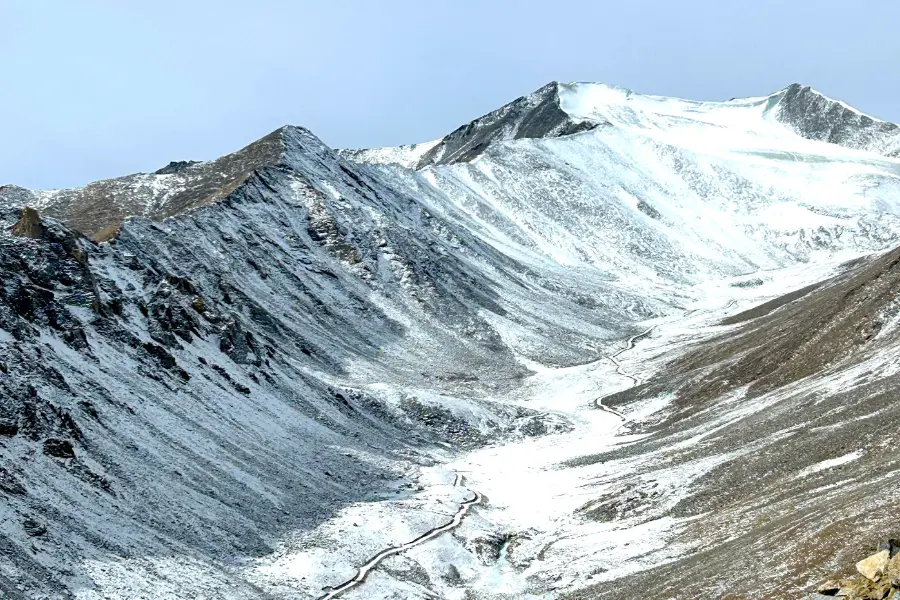
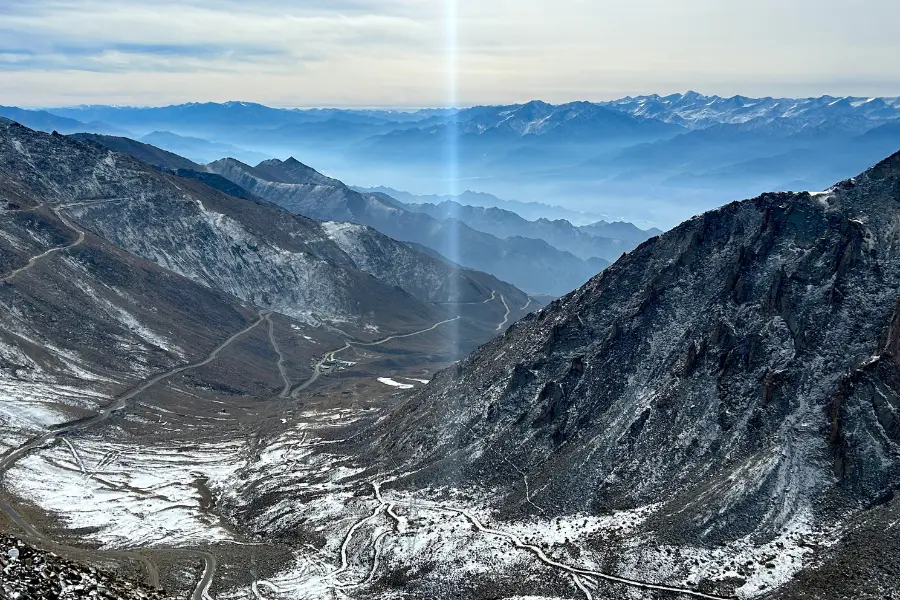
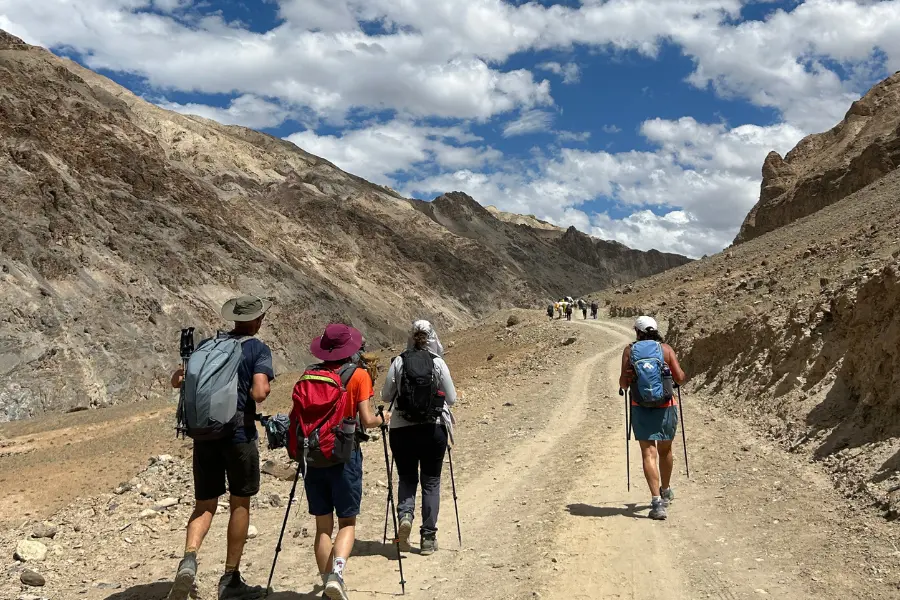
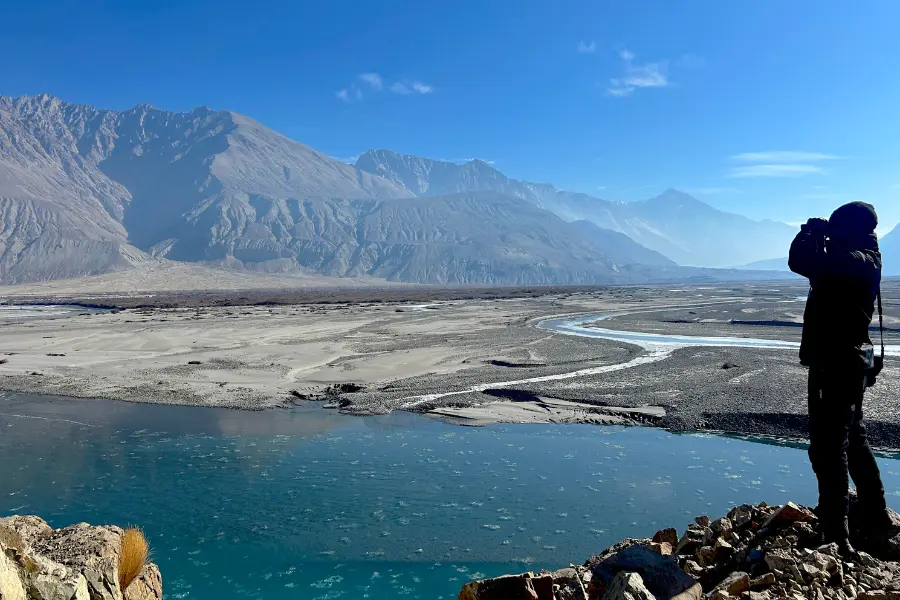
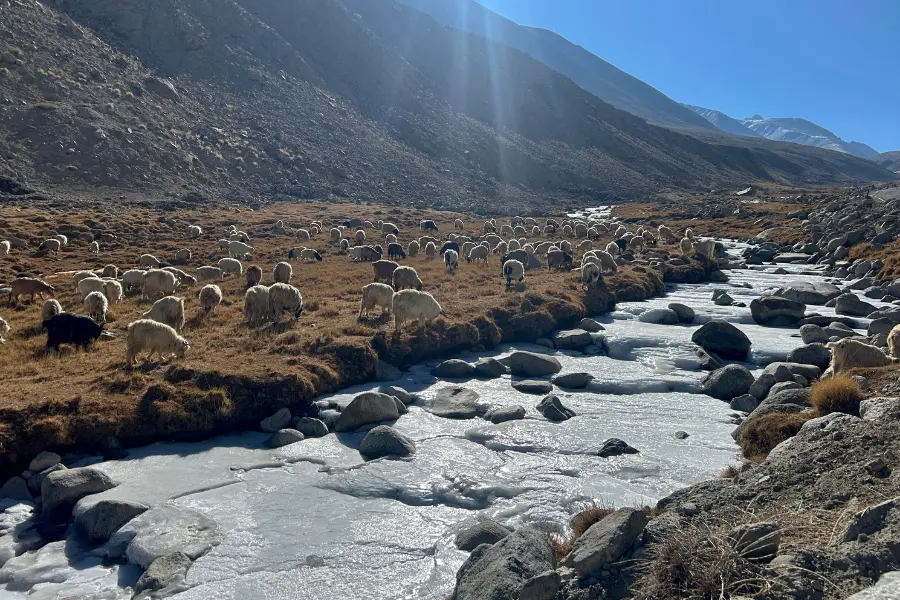
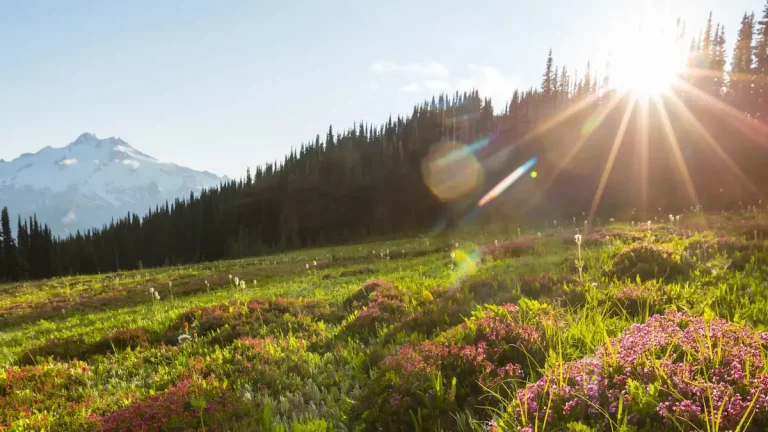
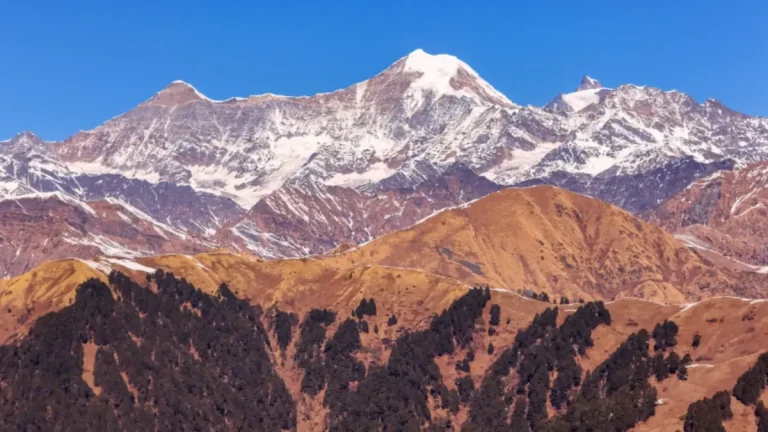
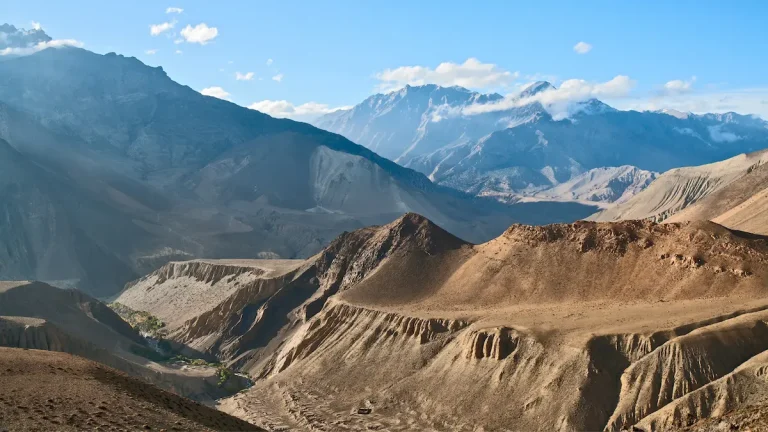
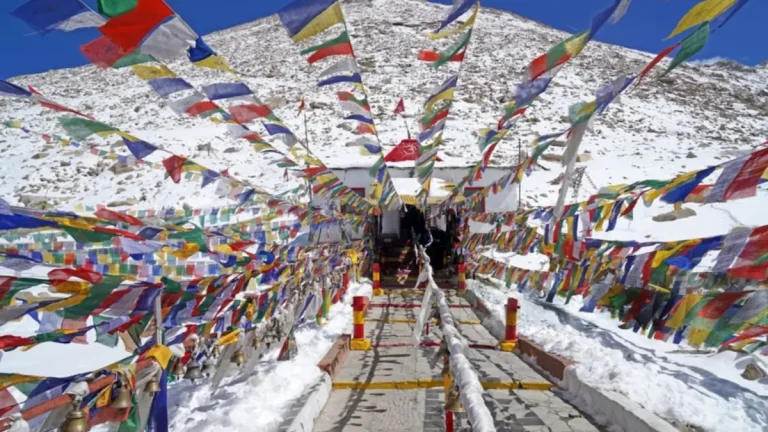
A Ladakh trip can look simple on Instagram. Wide roads, dramatic landscapes, monasteries on cliffs, and a few perfect viewpoints. But anyone who has actually travelled through Ladakh knows the truth: it is a high-altitude desert with unpredictable weather, long distances, and a terrain that demands respect.
Planning your first Ladakh trek or circuit becomes much easier when you stop thinking like a tourist and start thinking like a mountain traveller. The right itinerary, the right gear, and a few practical hacks can completely change your experience. At Snowfox Escapes, we design Ladakh circuits for people who want more than the usual. Here is how to plan it properly.
Understand Ladakh’s Weather the Right Way
Ladakh is often described as “cold,” but the more accurate description is “extreme.” Temperatures can change sharply between day and night, and wind can make a mild day feel harsh very quickly. Even in warmer months, mornings and evenings can be chilly, especially in higher valleys.
The most important thing to remember is this: Ladakh is dry. That means the sun can feel strong during the day, and the cold can feel sharper once the sun drops. A successful Ladakh trek is rarely about surviving freezing temperatures. It is about managing layers and staying comfortable across rapid changes.
A simple rule that helps: pack for four seasons, even if you think you are travelling in one.
The Biggest Mistake First-Timers Make: Rushing Acclimatisation
Ladakh starts high. Leh itself sits at around 3,500 metres (11,500 feet). That is already higher than many Himalayan trek base camps.
The most common mistake people make is landing in Leh and immediately heading out to higher places. Altitude does not care how fit you are. You can be a marathon runner and still get altitude sickness if you rush.
Snowfox’s basic acclimatisation approach is simple:
Keep Day 1 and Day 2 in and around Leh
Walk lightly, hydrate aggressively, and rest properly
Avoid strenuous activity in the first 24 hours
If you plan to include a Ladakh trek that crosses high passes or goes deep into valleys, acclimatisation is not optional. It is the foundation of the entire experience.
Gear That Actually Matters (And What You Can Skip)
Gear is where most people either overpack or underpack. Here is a clean breakdown of what matters most for a Ladakh circuit or trek.
Essentials you should not compromise on
A proper layered clothing system (base layer, mid layer, outer layer)
A windproof jacket (wind is a bigger enemy than cold)
UV protection: sunglasses with a UV rating and sunscreen
Trekking shoes with good grip (not sneakers)
A daypack with a rain cover
A reusable water bottle or hydration bladder
Lip balm and moisturiser (the dryness is real)
Useful extras that make a difference
Trekking poles (especially for descents)
Buff or neck gaiter (dust and wind protection)
Lightweight gloves
Headlamp (for early starts or camps)
Things people pack but rarely use
Too many heavy sweaters
Multiple pairs of jeans
Fancy outfits for Leh cafes
A well-planned Ladakh trek is more comfortable when you pack light and smart.
Itinerary Hacks That Make Your Ladakh Circuit Better
This is where your trip can go from “nice” to “exceptional.”
1. Build your circuit like a loop
Instead of backtracking the same road, plan a route that naturally moves forward. This saves time and keeps the experience fresh.
2. Avoid doing too much in one day
Distances in Ladakh look short on the map, but take time. Roads are mountain roads. Plan fewer stops and enjoy them properly.
3. Add one buffer day
Ladakh is not a place where everything goes perfectly to schedule. Weather shifts, roads can slow down travel, and your body may need more rest than expected. A buffer day makes your itinerary resilient.
4. Balance trekking days with cultural days
A Ladakh trek is physically rewarding, but Ladakh’s monasteries, local food, and village life are equally powerful. A good circuit includes both.
Food, Hydration, and Staying Well at Altitude
At high altitude, appetite often drops. But your body needs fuel more than ever.
Simple tips that work:
Eat smaller meals more frequently
Prioritise warm meals when possible
Avoid heavy alcohol early in the trip
Drink water even when you do not feel thirsty
Hydration is one of the most overlooked parts of a successful Ladakh trek. Dry air dehydrates you faster than you realise.
Also, do not ignore sleep. Good sleep improves acclimatisation more than most people think.
Choosing the Right Style of Ladakh Experience
Not all Ladakh travellers want the same thing. Before planning, ask yourself what you actually want.
Do you want:
A trekking-heavy experience with high passes and remote trails?
A circuit that blends trekking with villages and monasteries?
A wildlife-focused circuit in valleys like Ulley?
A quieter, offbeat Ladakh away from tourist-heavy routes?
Your answer shapes the kind of Ladakh trek or circuit you should choose.
This is also where working with an experienced team matters. Ladakh is not a place where generic itineraries work for everyone.
A Final Note Before You Go
Ladakh rewards people who plan well and travel slowly. The landscape is dramatic, but the real magic comes when you give yourself time to adjust, time to observe, and time to experience the region beyond the obvious highlights.
If you are planning your first Ladakh trek, Snowfox Escapes can help you build a circuit that is safe, well-paced, and deeply memorable, with expert guidance and a thoughtful approach to the mountains.
Why the Dayara Bugyal Trek Is a Beautiful First Himalayan Trail for Families
Discover why the Dayara Bugyal trek is an ideal first Himalayan trail for families, offering scenic meadows, gradual ascents, and meaningful shared experiences with Snowfox…
Dodital vs Dayara Bugyal: Which Trek Is Right for You?
Confused between the Dodital trek and the Dayara Bugyal trek? Discover how the landscapes, terrain, and overall experience differ to help you choose the right…
On a Snowfox Escapes journey to Upper Mustang, a group of travellers move from Kathmandu and Pokhara into the timeless villages of Marpha and Kagbeni.…