Ulley and the Ghost of the Snows: Tracking the Snow Leopard in Ladakh’s Wild Valleys
Explore Ulley’s remote valleys on a Ladakh wildlife trek and discover what it truly feels like to track the elusive snow leopard in its natural…

When planning a trek in Uttarakhand, two names often come up in the same conversation: the Dodital trek and the Dayara bugyal trek. Both are scenic, both are accessible with the right preparation, and both offer distinctly different mountain experiences. The real question is not which one is better, but which one aligns with what you are looking for on the trail.
At Snowfox Escapes, we guide travellers on both routes regularly, and while they sit in the same region, the character of each trek feels quite different once you start walking.
The Dodital trek takes you through dense oak and pine forests, gradually leading to the peaceful Dodital lake. The journey feels immersive and layered. You walk under tree cover, pass through small villages, and move steadily toward a high-altitude lake that feels tucked away from the world. The destination is intimate and calm.
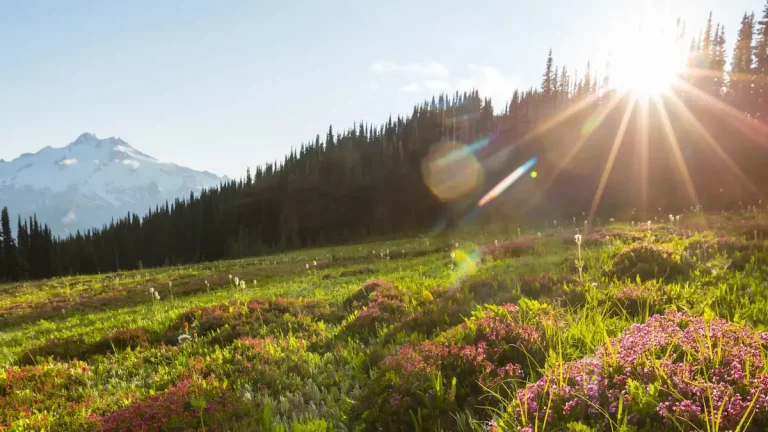
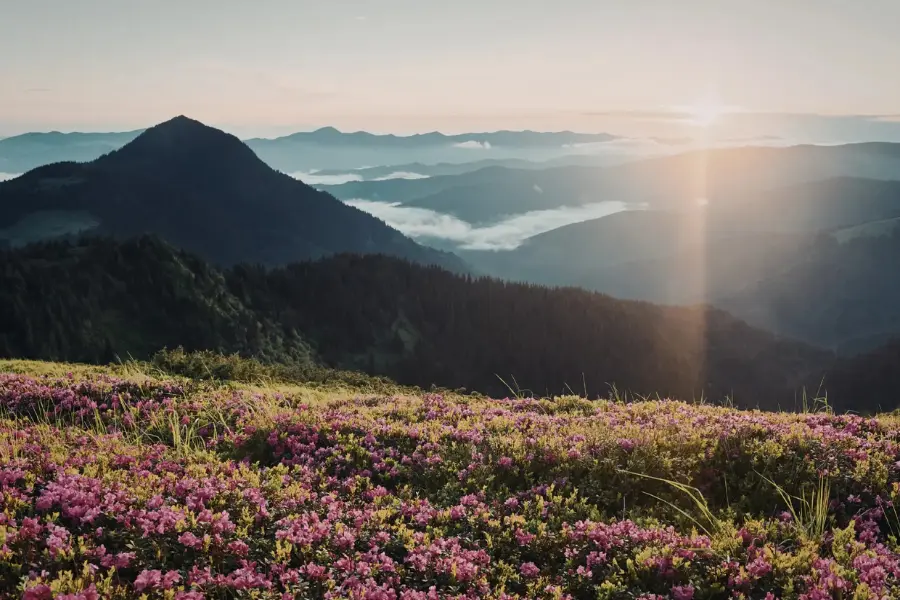
The Dayara bugyal trek, in contrast, is defined by openness. Dayara is known for its vast alpine meadows, locally called bugyals. As you ascend, the forest slowly gives way to wide grasslands with uninterrupted views of surrounding peaks. The landscape feels broader and more dramatic, especially as the horizon opens up.
If you are drawn to forest trails and the idea of reaching a serene lake, Dodital might resonate more with you. If you prefer big skies and panoramic views across rolling meadows, Dayara offers that sense of scale.
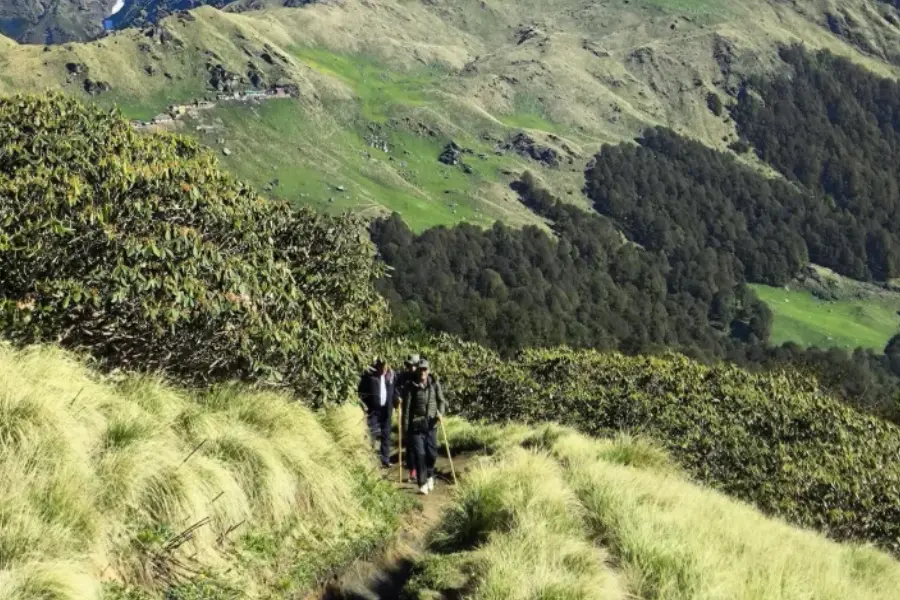
The Dodital trek builds gradually. The ascent feels steady and predictable, making it comfortable for trekkers who enjoy a consistent pace. The trail is varied but never overwhelming, and the forest sections provide a sense of enclosure that many people find reassuring.
The Dayara bugyal trek feels more exposed as you move higher. Once you reach the meadows, the terrain opens up completely. The walking can feel lighter and freer, with fewer natural barriers. The views stay with you for long stretches, which adds to the sense of elevation and space.
Both treks require preparation and basic fitness, but the way they unfold feels different. Dodital feels like a journey inward through forested paths. Dayara feels expansive and outward-facing.
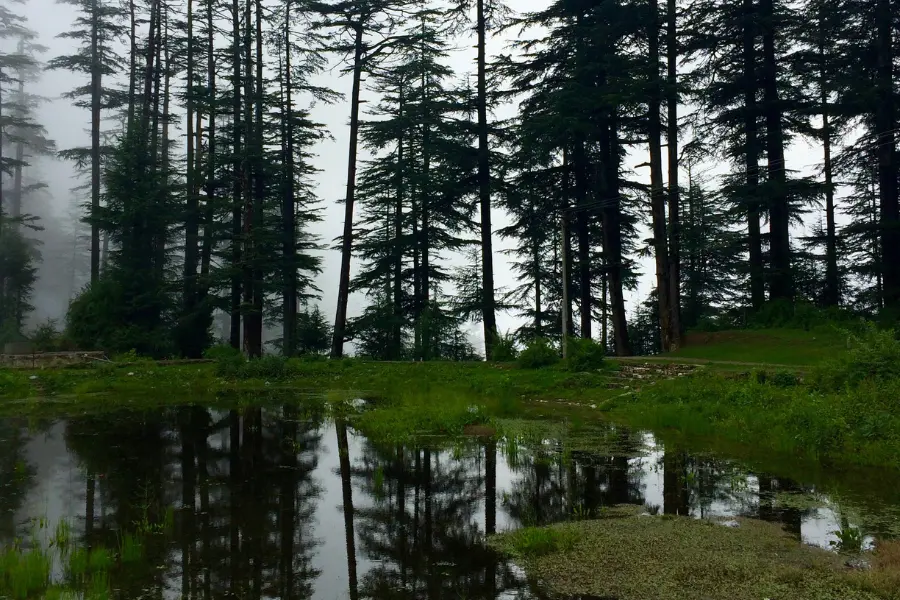
The Dodital trek often feels quiet and reflective. Evenings by the lake tend to be calm, and the surrounding forests create a natural stillness. It is the kind of trek where conversations slow down, and the environment encourages you to pause.
The Dayara bugyal trek carries a more energetic mood. The wide meadows invite movement and exploration. There is a sense of freedom in walking across open terrain with distant peaks rising all around you.
Your personality plays a role here. If you enjoy enclosed trails and peaceful settings, Dodital may suit you better. If you thrive in open landscapes and enjoy dramatic vistas, Dayara might feel more exciting.
For photography lovers, both treks offer rewarding moments. The Dodital trek provides layered forest compositions, reflections at the lake, and intimate mountain details. It feels textured and grounded.
The Dayara bugyal trek offers sweeping meadow shots and wide mountain backdrops. The open terrain allows for strong panoramic frames and expansive compositions.
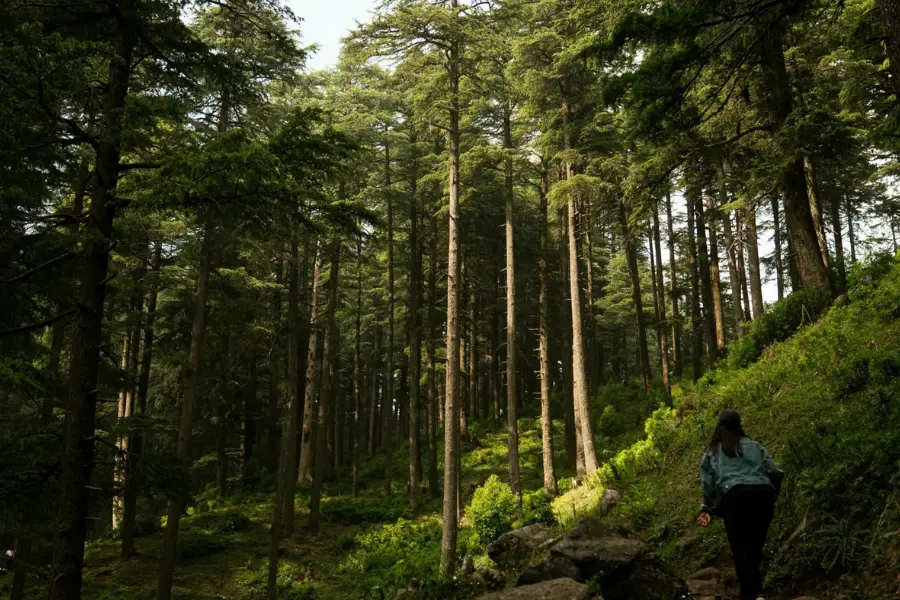
Choosing between the Dodital trek and the Dayara Bugyal trek ultimately depends on what kind of mountain experience you are seeking. If you want forests, a lake, and a more sheltered trail, Dodital is a beautiful choice. If you want open meadows, broad views, and a sense of walking through vast alpine landscapes, Dayara stands out.
Both routes offer meaningful Himalayan experiences when approached with the right mindset and preparation. At Snowfox Escapes, we keep our groups intimate and our pacing thoughtful so that whichever trail you choose, the journey feels personal and well-supported. If you are deciding between the Dodital trek and the Dayara bugyal trek, reach out to Snowfox Escapes and let us help you choose the trail that best matches your pace, preferences, and mountain goals.